

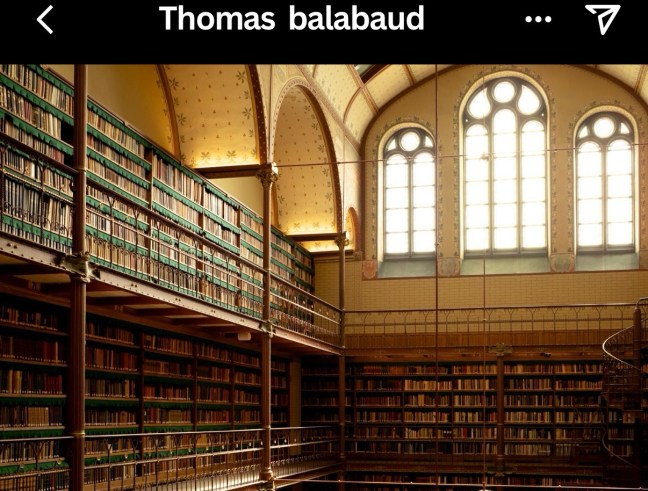
In 1989, British computer scientist Tim Berners-Lee worked at CERN, a research laboratory where scientists from many countries collaborated. He noticed a problem: important information was scattered across different computers, documents, and databases. Knowledge existed, but it was difficult to connect, share, and update.
Most information systems at the time were like filing cabinets. Once something was published, it largely stayed where it was. Berners-Lee imagined something different: a worldwide network where documents could link to one another, allowing anyone to add new knowledge, correct old information, and build on what others had learned.
His proposal became the World Wide Web.
What made the idea revolutionary was not just access to information. Libraries had existed for centuries. His vision was a system where knowledge could be continuously revised and expanded. A scientist in one country could publish a discovery; another researcher could link to it, challenge it, improve it, or add new findings. Knowledge became a conversation rather than a monument.
Even more remarkably, Berners-Lee did not patent the Web. He and CERN made the core technology available without royalties, allowing anyone to use it. That decision helped the Web grow into a global platform for learning, research, collaboration, and innovation.
Years later, as people grew concerned about misinformation and outdated content, Berners-Lee continued to advocate for an open web where information could be improved, corrected, and shared responsibly. He often emphasised that the Web should serve humanity’s collective knowledge rather than merely store data.
“Knowledge is not something we finish collecting. It is something each generation updates before handing it to the next.”

