

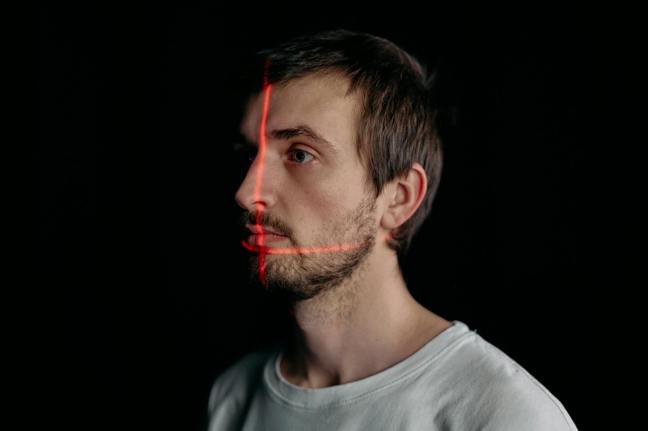
The prompt reminded me of a movie in which a scientist is kidnapped but kept alive hanging from a ceiling because his face is needed to start the computer where sensitive research data is stored.
I used facial recognition technology once for a KYC check. They asked me to blink, record a 10-second video, and upload it to their site. The confirmation took 10-15 minutes to arrive. They opined that my face probably did not precisely match old photographs on the documents.
Presumably, the technology has improved since then.
But I need a deeper study to understand
- What happens as our face shows signs of ageing?
- Can my identical twin pass off as me?
- If the phone gets locked after a person’s death, the family may be unable to retrieve much-needed information. Do they provide alternatives?
I feel like an idiot asking these questions, as an AI search tells me the technology has been successfully used in the following projects in India.
1. Digi Yatra at Airports
The Digi Yatra initiative, launched in December 2022, employs facial recognition to streamline airport passenger movement. As of April 2023, it has been implemented in 15 airports, including Delhi, Varanasi, Bengaluru, Pune, Kolkata, Hyderabad, and Ahmedabad, with plans to expand to 13 more. Passengers can use the Digi Yatra app to check in and board paperlessly, reducing the need for physical documents and enhancing the travel experience.
2. Delhi Police at IPL Matches
During IPL matches at Delhi’s Arun Jaitley Stadium, the Delhi Police have deployed Face Recognition Systems (FRS) via specially equipped buses to identify individuals with a history of misconduct, enhancing security measures.
3. Tirumala Tirupati Devasthanams (TTD) (a temple)
TTD plans to implement facial recognition and AI technologies at the Tirumala Temple to bolster security and improve the pilgrim experience. This includes anti-drone systems and AI-powered solutions for crowd management.
The 2025 Maha Kumbh Mela (a religious event during which people flock to take a dip in Ganges waters for a specified period) in Prayagraj was a “Digital Maha Kumbh,” utilising facial recognition and AI to manage crowds exceeding 400 million attendees, assist in reuniting lost individuals, and monitor crowd density to prevent stampedes.
5. Nagpur Municipal Corporation (NMC)
The NMC has initiated a pilot project using facial recognition-based attendance systems for sanitation workers. This innovative approach aims to address absenteeism and improve accountability. With approximately 500 workers participating in the trial, the potential for citywide implementation is promising.
6. Indore Anganwadis (personality development centres for village kids)
The Women and Child Development Department in Indore has started a trial of facial recognition systems across 1,839 anganwadi centres to accurately track the distribution of nutritional meals to beneficiaries, ensuring that support reaches the intended individuals.
1. Banking Sector
Leading banks like State Bank of India (SBI) and ICICI Bank have integrated facial recognition into their Know Your Customer (KYC) processes, enhancing transaction security and speed.
2. Retail and Hospitality
Retailers such as Reliance Digital are leveraging facial recognition to personalise shopping experiences. The hospitality sector is adopting technology for seamless check-ins and enhanced security.
Privacy and Ethical Considerations
The rapid deployment of facial recognition technologies has raised privacy concerns. Critics highlight issues such as non-consensual data collection, potential surveillance overreach, and the need for robust data protection laws. The Personal Data Protection Bill of 2023 aims to regulate biometric data usage, but its implementation and enforcement remain areas to watch.
 Creative Experiments and More
All legitimate questions.
LikeLiked by 1 person
Thank you, VJ! I guess we won’t have much of a choice than getting caught in the currents.
LikeLiked by 1 person
This was a very interesting post, Reena and it was nice to read about how advanced India has become. I was just wondering if you ever attended the Maha Kumbh Mela.
LikeLike
Thanks, Jim!
I did not visit the Mahakumbh Mela. I do not believe in the rituals, and the event was turned into a political statement of power.
Undeniably, it was a showcase of new facilities in a so far backward state (Uttar Pradesh or UP) like pods to spend the night in with attached baths. It was reported to be expensive, so service providers made huge money at the cost of curious visitors. People came to see the progress, rather than for the dip in holy waters.
LikeLiked by 1 person
Here in Germany we are once again carving letters in stones. Lol Honestly, Germany is very advanced in modern technologies, but only for use in military equipment. Best wishes, Michael
LikeLiked by 1 person
I like the way you expressed it:) Hope you are doing fine, Michael!
LikeLike