
Ancient Egyptian culture is one of human history’s most fascinating and enduring civilisations. Spanning over 3,000 years, from around 3100 BCE to 30 BCE, it has left an indelible mark on the world through its monumental architecture, intricate art, and profound religious beliefs.
Religion and Beliefs
Religion was the cornerstone of ancient Egyptian culture. The Egyptians were polytheistic, worshipping a pantheon of gods and goddesses, each associated with different aspects of life and nature. The most important deity was Ra, the sun god, who was believed to travel across the sky during the day and through the underworld at night. Other significant gods included Osiris, the god of the afterlife; Isis, the goddess of magic and motherhood; and Anubis, the god of mummification.
The concept of the afterlife was central to Egyptian religion. They believed in a life after death, where Osiris would judge the deceased and, if deemed worthy, would enter the eternal paradise known as the Field of Reeds. This belief led to the practice of mummification, which was intended to preserve the body for the afterlife.
Art and Architecture
Ancient Egyptian art and architecture, with their grandeur and precision, never fail to amaze. The most iconic structures, the pyramids, built as tombs for pharaohs and their consorts, are a testament to the Egyptians’ engineering prowess. The Great Pyramid of Giza, constructed during the Fourth Dynasty for Pharaoh Khufu, is one of the Seven Wonders of the Ancient World, a marvel that continues to inspire awe.
Temples were another significant aspect of Egyptian architecture, showcasing the Egyptians’ meticulous construction skills. These structures were dedicated to various gods and served as places of worship and ritual. The Temple of Karnak and the Temple of Luxor are among the most famous, their grandeur and precision a testament to the Egyptians’ devotion to their deities.
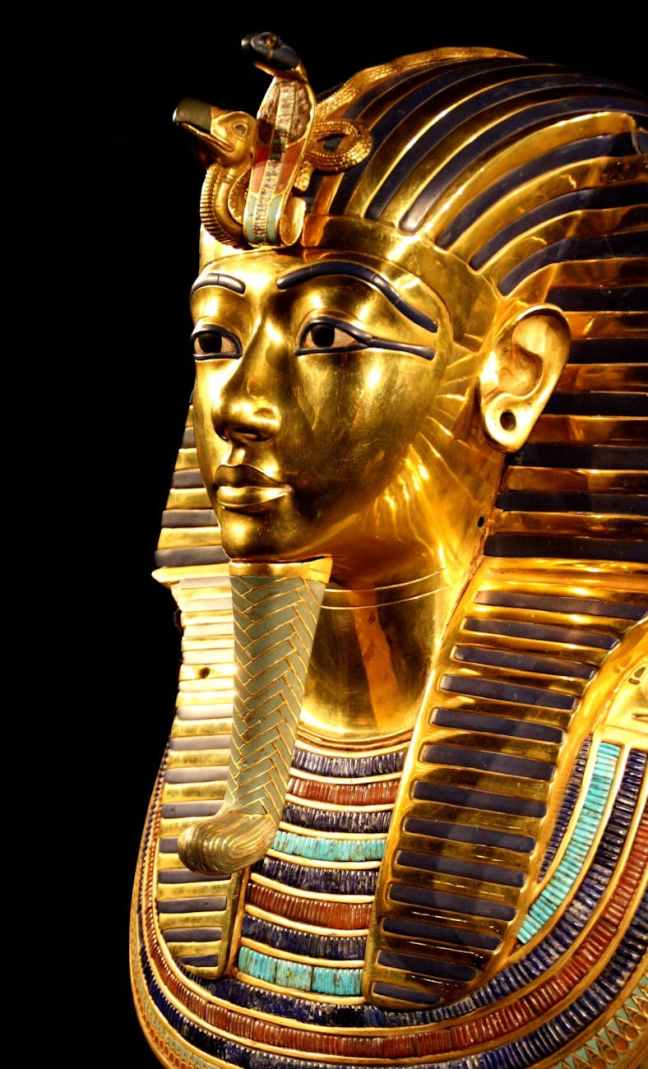
Egyptian art was characterised by its adherence to strict conventions and symbolism. Figures were depicted in a stylised manner, with heads and legs in profile and torsos facing forward. This style was used to convey the importance and status of individuals, with pharaohs and gods often depicted as more significant than other figures. Hieroglyphics, the writing system of ancient Egypt, was also an integral part of their art, used to inscribe religious texts, historical records, and administrative documents.
Daily Life and Society
The social structure of ancient Egypt was hierarchical, with the pharaoh at the top, followed by nobles, priests, scribes, artisans, and farmers. The pharaoh was considered a divine ruler and believed to be the earthly embodiment of Horus. This divine status granted the pharaoh immense power and authority over the land and its people.
Agriculture was the backbone of the Egyptian economy. With its annual floods, the Nile River provided fertile soil for growing crops such as wheat, barley, and flax. The Egyptians developed advanced irrigation techniques to maximise agricultural productivity, which supported a growing population and the construction of monumental projects.
Trade was also an essential aspect of Egyptian society. They traded goods such as gold, papyrus, linen, and grain with neighbouring regions, including Nubia, the Levant, and the Mediterranean. This exchange of goods facilitated cultural interactions and the spread of ideas and technologies.
Legacy
The legacy of ancient Egyptian culture is evident in its lasting contributions to art, architecture, and religion. The grandeur of their monuments, the intricacy of their art, and the depth of their religious beliefs continue to captivate and inspire people worldwide. The study of ancient Egypt provides valuable insights into the development of human civilisation and the enduring power of cultural heritage.
 Creative Experiments and More
Very interesting and informative post, Reena.
LikeLiked by 1 person
Thank you so much, Indira!
LikeLiked by 1 person
💗💗
LikeLiked by 1 person
I loved your post, Reena. Ancient Egypt is considered highly significant due to its pioneering advancements in various fields including writing (hieroglyphics), medicine, engineering (pyramids), agriculture, astronomy, art, and architecture, leaving a lasting legacy on the world that continues to inspire and fascinate people today. This was not an easy task to cover, but you did it so well, thanks for joining in with this fabulous post.
LikeLiked by 1 person
I was always fascinated by pyramids and Pharaoh sculptures and murals.
LikeLiked by 1 person