

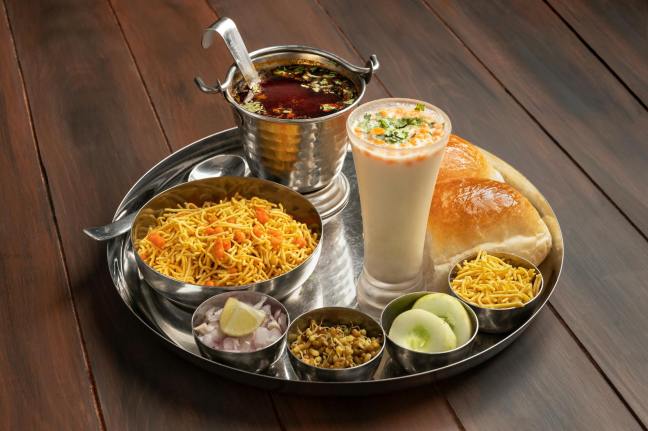
“In my mom’s house, the dining table did not groan with food when there were guests. We served the same simple meal that we eat every day.” This was an eye-opener about how deeply food is entrenched in our culture and actions. Given a chance, everybody in the family complained about her limited culinary skills and hostess grace. They also criticized the food she served. But here was the real reason.
I don’t feel guilty now if there are fewer than four dishes on the table for guests. Those were my mother’s norms. My health and time constraints are different.
Whether I seek comfort in tradition or am an experimental trailblazer determines my choice in food.
morsels on my plate
my senses swell with pride on
a value system
Poetics Tuesday – Comfort Food
P.S.
The reference to fish is used in the title, because the East Indian culture treats it as auspicious. Fish is supposed to make women look sensuous, and is included in couple celebrations.
We are celebrating a nine-day festival called Navratri to worship Goddess Durga. A majority of Hindu families go vegetarian in this phase. However, some families have different practices. They perform the ninth-day rituals by pouring alcohol into the sacred fire. They also place meat on the plate. This is done to honour her incarnation as Kali, the Goddess who destroys to seek justice.
 Creative Experiments and More
Happy Navratri, Reena. Happy to learn about dining etiquette for your culture. I did not know that Kali was an incarnation of Durga.
LikeLiked by 1 person
Thanks for showing interest! The incarnations are commonly known as Shakti (Power).
LikeLiked by 1 person
You are welcome. Shakti sounds like a good aspect to have.
LikeLike
An interesting haibun, from which I have learnt about aspects of Hindu culture, Rheena. Thank you for sharing the PS, too, especially about the fish reference.
LikeLiked by 1 person
Thank you, Kim! Glad you enjoyed it.
LikeLiked by 1 person
This is a beautifully reflective and culturally rich piece. I really appreciate the honesty with which you revisit your mother’s choices—what once felt like a limitation now reveals itself as quiet strength, practicality, and authenticity.
The way you connect food with values, identity, and evolving personal boundaries is especially powerful. It’s not just about what’s on the table, but the meaning we attach to it—and how that meaning changes with time and understanding.
LikeLiked by 1 person
Thank you so much, Vermaji!
LikeLiked by 1 person
You are welcome.
LikeLiked by 1 person